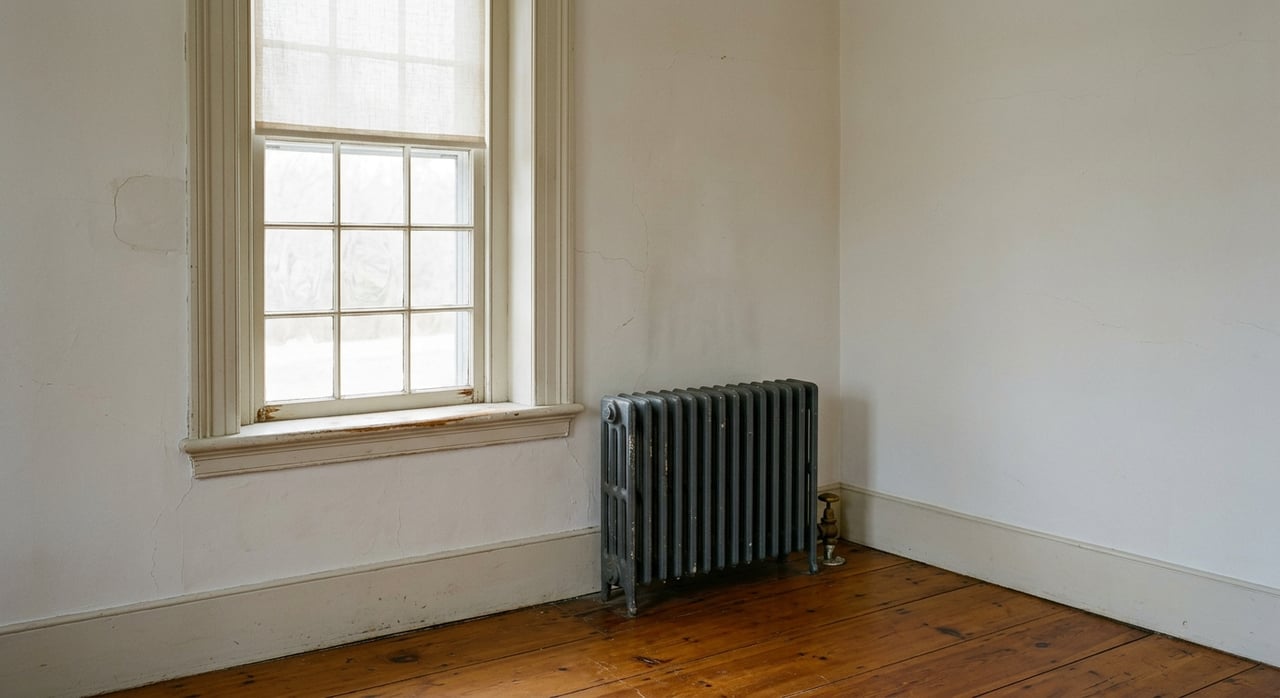
If you have ever fallen for a home because of its wide pine floors, original trim, or long connection to a coastal Maine street, Bath will feel familiar fast. Buying a historic home here can be deeply rewarding, but it also asks you to look past charm and pay close attention to condition, regulation, and long-term upkeep. When you understand what makes Bath’s older homes special and what ownership may really involve, you can make a smart, confident decision. Let’s dive in.
Why Bath Has So Many Older Homes
Bath is one of Maine’s oldest cities, with permanent settlement dating to 1703 and a long identity tied to shipbuilding along the Kennebec River. That history still shows up in the local housing stock today, where many homes reflect earlier building eras and traditional New England design.
Bath’s 2023 comprehensive plan notes that 48.5% of the city’s housing stock was built in or before 1939. That helps explain why buyers in Bath often encounter older capes, gable-front houses, and other period homes that carry both character and maintenance needs.
Older housing in Bath is not limited to one look or one price point. Some properties are modest and practical, while others stand out as architecturally distinctive landmark homes. The city and the Maine Historic Preservation Commission identify historic areas and resources that reflect this wide range.
Know What “Historic” Really Means
One of the most important things to understand is that not every older home is legally treated the same way. A house may simply be old, or it may also be individually recognized, located in a National Register district, or subject to local historic review.
That distinction matters because National Register listing does not itself restrict a private owner’s rights or automatically create historic-district zoning. In Bath, the local rules that can directly affect renovations and permits come from the city’s Historic Overlay District.
Inside Bath’s Historic Overlay District, the city requires Historic District Approval before a building permit can be issued for certain work. That includes new buildings, additions, changes to exterior architectural details, and demolition. The goal is to keep changes compatible with the district’s historic character.
Questions to ask early
Before you move too far into a purchase, make sure you know:
- Is the property simply older, or is it officially recognized in some way?
- Is it inside Bath’s Historic Overlay District?
- Has past exterior work already been reviewed and approved if needed?
- Are you planning future updates that could trigger local review?
This step can save you time, money, and frustration later. If you are dreaming about replacing windows, changing siding, adding space, or removing a porch, regulatory status is not a detail to leave until after closing.
Verify the Home’s Actual Age
Bath buyers should also be careful about relying too heavily on a listed build date. The city assessor notes that a recorded build year of 1900 may simply mean the home is old, but the exact construction year is unknown.
That means the age listed on a property record may be more of a placeholder than a confirmed fact. If a home’s age matters to your plans, it is worth verifying with additional records rather than treating one number as final.
This is especially important if you are evaluating renovation scope, historic status, or expected maintenance. A house built decades earlier than recorded may have different materials, repair needs, and risks than you first assumed.
Inspect With an Older-Home Mindset
Historic homes are usually best approached with a repair-first mindset. Older materials often can perform well for a long time, but they need regular attention and informed evaluation.
Moisture should be at the top of your inspection list. Preservation guidance from the National Park Service says uncontrolled moisture is the most common cause of deterioration in older and historic buildings.
Focus on moisture and drainage first
When you tour or inspect a Bath historic home, pay close attention to:
- Roof condition
- Flashing
- Gutters and downspouts
- Basement dampness
- Drainage around the house
- Masonry mortar condition
- Signs of rot
- Evidence of prior water intrusion
These are not small details. In an older home, water problems can affect finishes, framing, foundations, chimneys, and long-term repair costs.
Flood and Site Conditions Matter
In Bath, site conditions deserve extra attention because local climate and resilience materials point to increased flooding, storm surge, sea-level rise, and extreme riverine events. If a property is low-lying, flood history and drainage should be part of your core due diligence.
That does not mean every historic home in Bath comes with the same risk. It does mean you should look carefully at how water moves across the lot, how the basement performs, and whether the home’s location adds extra maintenance or resilience concerns.
For remote or out-of-state buyers, this is one area where local guidance can be especially valuable. Photos and even video tours may not fully show grading, runoff patterns, or subtle signs of recurring moisture.
Pay Attention to Character-Defining Features
Many of the details that make an older Bath home appealing are also the ones that deserve the closest review. Windows, porches, trim, and chimneys often shape the home’s historic appearance and may require specialized repair.
Preservation guidance emphasizes retaining existing form, features, and materials whenever possible. For buyers, that means the question is not always whether something is old, but whether it can be repaired well and maintained properly.
Features worth a closer look
A strong older-home inspection should evaluate:
- Wood windows and their condition
- Porch framing and decking
- Exterior trim and areas of paint failure
- Chimney structure and masonry
- Plaster walls and ceilings
- Foundation and masonry systems
You will usually learn more from an inspector who understands older wood windows, plaster, masonry, and chimney systems than from someone focused mostly on newer construction. That experience can make a big difference in how repairable issues are interpreted.
Plan for Lead, Asbestos, and Radon
Older homes often come with health and safety considerations that should be part of your buying plan, not an afterthought. In Bath, this is especially relevant because so much of the housing stock predates modern materials standards.
Lead-based paint is one of the biggest concerns in pre-1978 homes. According to the EPA, 87% of homes built before 1940 contain some lead-based paint, and disclosure rules apply to most homes built before 1978.
If future repairs or remodeling will disturb painted surfaces, that work should be handled by lead-safe certified contractors. This matters whether you are planning a full renovation or just simple updates in an older home.
Asbestos is another item worth screening for, especially in materials like roofing shingles, floor tile, and ceiling tile. The risk increases when suspect materials are disturbed during repair or renovation.
Radon should also be part of routine due diligence. Maine guidance treats radon testing as an important step, especially in homes with basements or crawl spaces.
Budget Beyond the Purchase Price
Bath’s own planning materials are clear about the tradeoffs that can come with older housing. Historic homes may have higher maintenance costs, weaker energy efficiency, and the potential presence of lead-based paint.
That does not make them poor purchases. It simply means your budget should reflect ownership realities, not just the listing price and cosmetic appeal.
Build a realistic ownership budget
As you evaluate a historic home in Bath, consider setting aside funds for:
- Near-term repairs
- Ongoing exterior maintenance
- Window and trim restoration
- Masonry or chimney work
- Moisture control improvements
- Energy-efficiency upgrades that fit the home
- Specialist inspections or contractor consultations
A beautiful old house can be a wonderful fit when your budget matches the likely upkeep. The surprise usually is not that an older home needs work. The surprise is how quickly small deferred items can add up if you underestimate them.
Check Incentives Before Major Work
If you are considering a substantial rehabilitation project, it may be worth exploring preservation incentives before work begins. The Maine Historic Preservation Commission administers Maine’s historic rehabilitation tax credit program.
That said, not every historic home purchase will qualify for meaningful incentive programs. The research is especially important because federal historic rehabilitation incentives are generally not a broad tax break for most owner-occupied homes.
The key takeaway is simple: if incentives are part of your renovation math, confirm eligibility early. It is better to understand what may or may not apply before plans are finalized.
A Smart Approach to Buying in Bath
Bath’s historic homes offer something many buyers want but cannot easily recreate: authentic architecture, local story, and a real sense of place. In a city where nearly half the housing stock dates to 1939 or earlier, that character is part of everyday life.
Still, the best purchase decisions balance romance with due diligence. You will be in a much stronger position if you confirm whether the home is locally regulated, verify its likely age, focus inspections on moisture and structural systems, screen for lead, asbestos, and radon, and line up professionals who know older homes.
If you are considering a historic home in Bath, a local, detail-oriented buying strategy matters. For guidance that pairs neighborhood insight with practical support from search to closing, connect with Paul Clark.
FAQs
What should you confirm before buying a historic home in Bath?
- You should confirm whether the home is simply old or whether it is inside Bath’s Historic Overlay District, because local review can affect exterior changes, additions, demolition, and permitting.
How should you verify the age of a Bath historic home?
- You should not rely only on the assessor card, since Bath notes that a recorded year of 1900 may be a placeholder showing the home is old but the exact date is unknown.
What should an inspection of an older Bath home focus on?
- The inspection should focus first on moisture, roof drainage, foundations, masonry, windows, chimneys, lead-related concerns, asbestos, radon, and flood or drainage issues for low-lying properties.
Are National Register homes in Bath automatically restricted?
- No. National Register recognition does not itself restrict a private owner’s rights or automatically create local historic-district zoning.
Why do Bath buyers need specialists for older homes?
- Buyers often benefit from inspectors and contractors who understand historic materials, repair-oriented preservation methods, and lead-safe work practices, since older homes can be very different from newer construction.