Curious what it’s really like to live in Bath, Maine? If you want a place with real history, a walkable downtown, and a riverfront that still feels tied to everyday life, Bath stands out for reasons that go beyond postcard charm. This guide will help you understand Bath’s character, housing, lifestyle, and regional fit so you can decide whether this historic Kennebec city matches how you want to live. Let’s dive in.
Why Bath Feels Distinct
Bath is a small city, but it has a strong identity. The city has an estimated 8,835 residents spread across 9.12 square miles, which gives it a compact feel while still offering a full range of daily amenities. It also serves as the seat of Sagadahoc County, which helps explain why it functions as more than just a place to sleep between commutes.
Its story is closely tied to the Kennebec River. Shipbuilding has shaped Bath since the mid-18th century, and Bath Iron Works says shipbuilding on the Kennebec dates back to 1762. Today, BIW remains the only active shipyard in Bath and one of the largest manufacturing employers in Maine.
That working waterfront history still shows up in the city’s layout and atmosphere. Bath’s 2023 comprehensive plan notes that land use patterns reflect its industrial waterfront past, while also identifying the city as a service center for nearby towns and for the wider Sagadahoc County area.
Downtown Bath Character
If you like places where downtown still feels like a real downtown, Bath is worth a close look. Main Street Bath is described as historic, waterfront, and pedestrian-oriented, with locally owned shops, restaurants, and bars clustered in a nationally designated Main Street district.
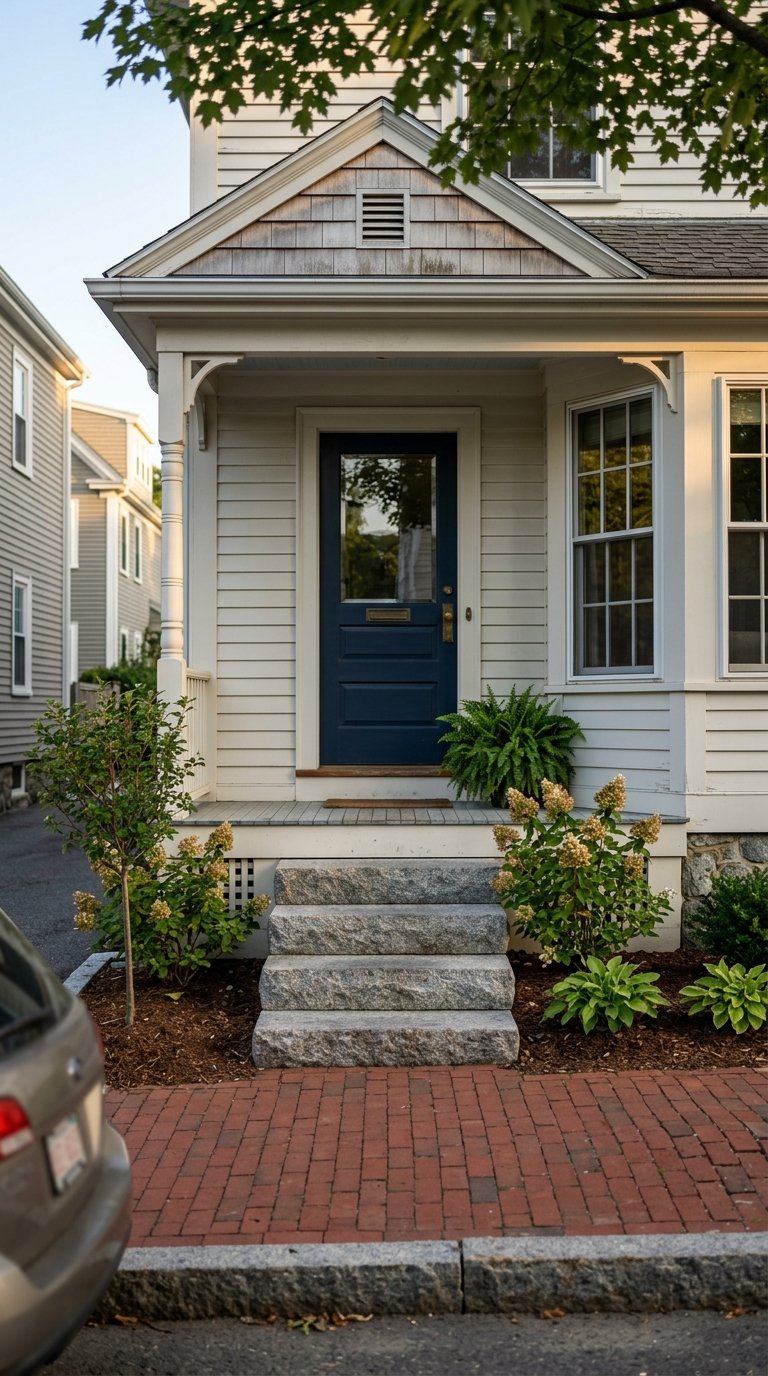
This is not a town built around recent large-scale suburban growth. Bath’s comprehensive plan says most of the city’s buildings were constructed before 1950, and much of the more recent housing growth came through adaptive reuse of historic downtown buildings rather than through big new subdivisions.
That creates a very specific experience for buyers. You are more likely to find older in-town homes, established streets, and buildings with history than large tracts of new construction.
A City With History in Plain Sight
In Bath, history is not tucked away in one museum block. It is woven into the streets, waterfront, and neighborhoods. The city includes the Bath Historic District and Trufant Historic District, along with notable landmarks such as the Percy-Small Shipyard, Governor William King House, Hyde Mansion, U.S. Custom House and Post Office, and Winter Street Church.
The city’s historic-markers project includes 34 marker locations around town. That adds to the sense that Bath is a place where the built environment tells a story, whether you are walking downtown, heading toward the waterfront, or exploring residential streets.
For some buyers, that historic setting is a major draw. For others, it is also a practical reminder that many properties may have the quirks and maintenance needs that often come with older housing stock.
What Daily Life Looks Like
Bath offers more than visual appeal. The Kennebec River plays an active role in daily life, and the city has several public spaces that make the waterfront easy to enjoy.
Local recreation assets include Bridge Park, completed in 2023, Linwood E. Temple Waterfront Park with a public dock, South End Park with a dog park and walking or jogging path, and Library Park near the Patten Free Library and the Zorach Fountain. These spaces add options for a quick walk, time by the river, or a change of pace close to downtown.
The Riverwalk is another standout feature. The city describes it as a scenic pathway along the Kennebec that connects the waterfront and historic downtown, with a planned extension toward the North Bath Boat Launch.
For anyone drawn to Maine’s maritime story, the Maine Maritime Museum is also right in Bath. Its 20-acre riverfront campus preserves the Percy & Small shipyard site and highlights major local stories, including the schooner Wyoming and the Donnell House.
Year-Round Events and Community Rhythm
Some Midcoast communities can feel heavily seasonal, but Bath has a more consistent civic rhythm. Main Street Bath’s event calendar includes Winterfest, Bath Heritage Days, Movies in the Park, Autumnfest, and Old Fashioned Christmas.
That matters if you are thinking beyond a summer visit. A year-round event lineup can make a place feel more active and connected across all seasons, whether you are relocating full time, buying a second home, or simply looking for a community with a steady pace.
Housing in Bath
Bath’s housing story is fairly clear. If you are shopping here, you should expect a market shaped by older homes, compact lots, downtown and in-town living, and selected adaptive reuse projects.
The Census profile reports a 64.3% owner-occupied housing rate, a median owner value of $310,900, and median gross rent of $1,044. Those numbers provide useful context, but the bigger takeaway is the city’s housing form. Bath’s comprehensive plan points to older building stock and relatively limited new large-scale residential development.
That can appeal to buyers who want character, walkability, and a strong sense of place. It can also mean you need to think carefully about layout, storage, updates, and long-term maintenance if you are comparing Bath to newer communities.
Who Bath May Appeal To
Bath can fit several different lifestyles, depending on what matters most to you.
Buyers who want walkability
If you want to be close to shops, restaurants, parks, and riverfront spaces, Bath offers a compact setting that can support more errands and outings without a long drive. The pedestrian-oriented downtown is one of the city’s clearest strengths.
Buyers who value historic character
If you are drawn to older architecture and established neighborhoods, Bath has a deep bench of historic homes and buildings. The city’s historic districts and older housing stock help create a setting that feels rooted and recognizable.
Buyers comparing Midcoast commuter options
Bath also works well for people who want a smaller city feel with regional connections. The city has ties to Brunswick and Topsham, and Route 1 remains a key travel corridor through the area.
Second-home buyers seeking a real town
For second-home buyers, Bath can offer a different feel from a purely seasonal destination. The working waterfront, civic calendar, and county-seat role help it function as a real year-round community rather than just a summer stop.
Commute and Regional Access
Bath’s regional location is part of its appeal. Route 1 and the Sagadahoc Bridge connect Bath and Woolwich across the Kennebec, and MaineDOT has documented ongoing Route 1 work linking Brunswick and Bath.
The latest Census profile shows a mean commute time of 24.0 minutes. That does not tell you where every resident works, but it does suggest Bath can function well for people balancing local living with travel to nearby job centers.
Commuter transportation is also evolving. BIW and Greater Portland Transit District are expanding commuter bus transportation between Portland and Bath, which is useful for buyers comparing Bath with communities closer to Portland.
Schools and Practical Basics
For buyers who want to understand school options, Bath is part of RSU 1. The district’s registration information lists Dike-Newell, Fisher-Mitchell, Bath Middle School, Morse High School, and Bath Tech as Bath-area options.
Bath’s population profile also provides some broader context. According to the Census, 25.2% of residents are age 65 or older, and 42.5% of adults hold a bachelor’s degree or higher.
These numbers do not define any one neighborhood or household, but they do help paint a picture of the city’s overall makeup. If you are relocating, they can be useful as one part of your decision-making process alongside housing style, commute, and lifestyle fit.
What to Keep in Mind Before You Move
Bath is easiest to understand when you think of it as a small city with a strong historic core, an active working waterfront identity, and public spaces that keep the river central to daily life. It is not trying to be a new-construction suburb, and that is exactly why many buyers find it appealing.
If you are considering a move, focus on the features that matter most to you:
- How important is walkability?
- Do you prefer older homes with character or newer layouts?
- How often will you commute to Brunswick, Topsham, Portland, or other nearby areas?
- Do you want a place that feels active year-round?
- Would access to waterfront parks, downtown amenities, and local history improve your day-to-day life?
For the right buyer, Bath offers a compelling mix of history, practicality, and place. It feels grounded, lived-in, and connected to the river in a way that is hard to replicate.
If you are exploring Bath or comparing Midcoast communities, Paul Clark can help you narrow down neighborhoods, evaluate older housing stock, and find a property that fits both your lifestyle and your goals.
FAQs
What is Bath, Maine known for?
- Bath is best known for its long shipbuilding history, its location on the Kennebec River, its historic downtown, and Bath Iron Works, which remains the city’s only active shipyard.
Is Bath, Maine a walkable place to live?
- Bath has a compact, pedestrian-oriented downtown with shops, restaurants, parks, and riverfront areas that support a more walkable daily lifestyle than many spread-out communities.
What kind of homes will you find in Bath, Maine?
- Bath’s housing stock is largely older, with many buildings constructed before 1950, plus some adaptive reuse projects in historic downtown buildings rather than large new subdivisions.
What parks and outdoor spaces are in Bath, Maine?
- Bath includes Bridge Park, Linwood E. Temple Waterfront Park, South End Park, Library Park, and the Riverwalk along the Kennebec River.
What schools serve Bath, Maine?
- Bath is part of RSU 1, which lists Dike-Newell, Fisher-Mitchell, Bath Middle School, Morse High School, and Bath Tech as Bath-area school options.
Is Bath, Maine a good fit for commuters?
- Bath offers Route 1 access, the Sagadahoc Bridge connection to Woolwich, regional ties to Brunswick and Topsham, and expanding commuter bus transportation between Portland and Bath.